5 min read
SBUS, iBUS, PPM: Choosing an RC Receiver Protocol
Compare SBUS, iBUS, and PPM RC receiver protocols to select the best option for your UAV flight controller and aircraft.
By the Rox Aero team
Understanding RC Receiver Protocols for UAVs
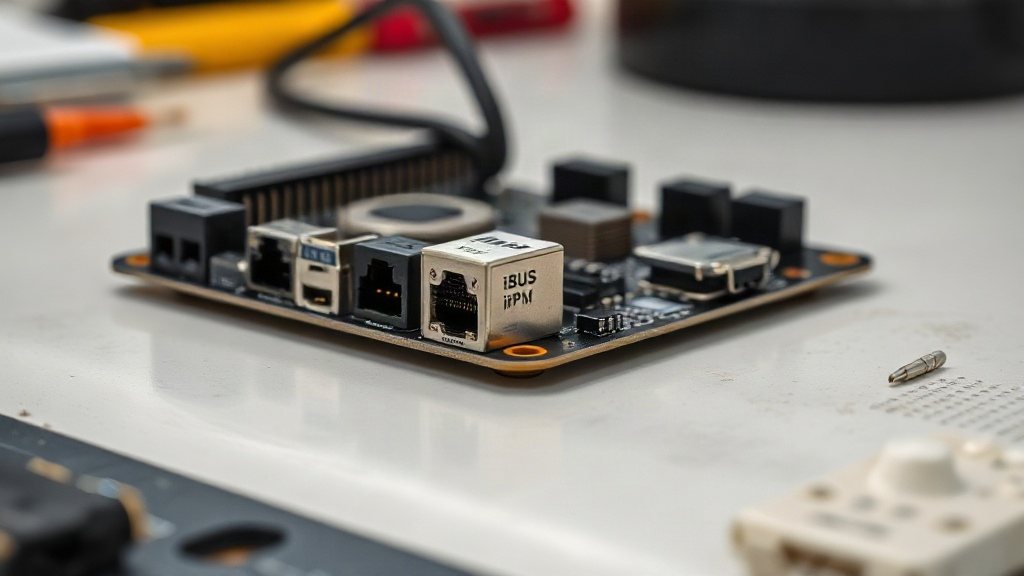
Selecting the appropriate RC receiver protocol is a critical decision when designing a UAV flight control system. The protocol dictates how control signals are transmitted from the radio receiver to the flight controller, impacting latency, channel count, and integration complexity. This comparison focuses on three common protocols: SBUS, iBUS, and PPM, highlighting their characteristics to help engineers make an informed choice for their specific aircraft requirements. The FC-1 Flight Controller, for example, supports serial RC inputs, making it compatible with protocols like SBUS and iBUS, which offer advantages over traditional PPM.
PPM: The Legacy Serial Protocol
Pulse Position Modulation (PPM) is one of the oldest serial RC protocols still in use. In a PPM stream, each channel's data is encoded as a pulse whose position within a repeating frame signifies its value. This method consolidates all channel information into a single signal wire, simplifying wiring compared to individual channel outputs. However, this consolidation also means that if the single PPM signal is interrupted or corrupted, all channel data is lost. Furthermore, PPM typically supports a lower maximum number of channels (often 8 to 12) and can introduce higher latency due to the sequential nature of data transmission within the frame. Older receivers and flight controllers commonly utilized PPM, but modern systems often favor more advanced protocols for their increased performance and reliability.
SBUS: A Versatile Serial Bus
SBUS (Serial Bus) is a bidirectional, half-duplex serial communication protocol developed by Futaba. It transmits data for up to 18 channels over a single signal wire, offering a significant advantage in channel count over PPM. SBUS frames are structured to include channel data, and the protocol also supports telemetry data transmission back to the transmitter, though this is often dependent on specific receiver and transmitter implementations. The use of a standard UART serial port for communication makes integration with flight controllers straightforward. SBUS is known for its relatively low latency and robust error checking, making it a popular choice for many performance-oriented UAV applications. Rox Aero's FC-1 Flight Controller is designed to interface with such serial protocols, providing flexibility for system integrators.
iBUS: An Efficient Serial Protocol
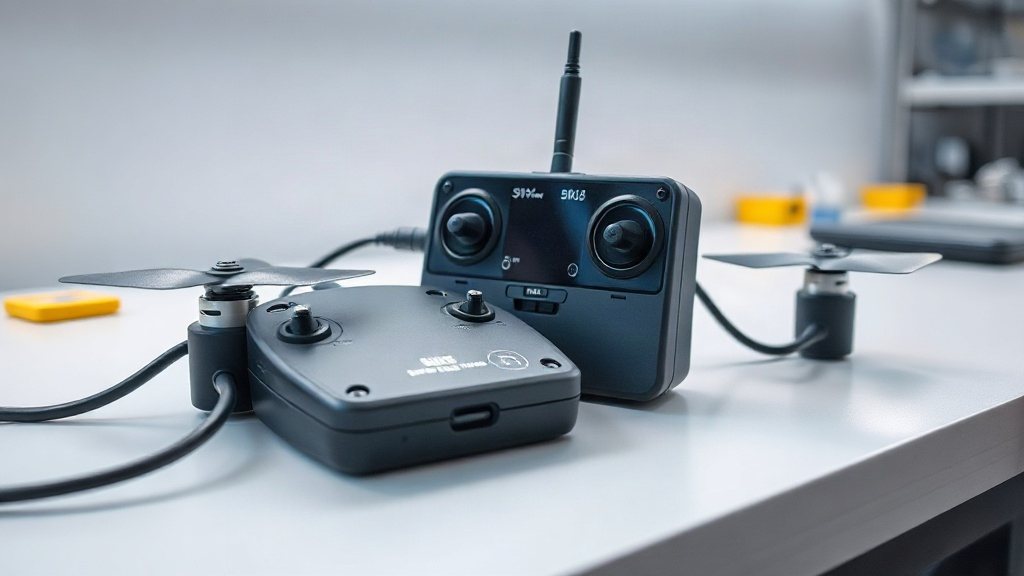
iBUS is another serial RC protocol, developed by FlySky. Similar to SBUS, it uses a single wire for communication and supports a high channel count, typically up to 14 channels. iBUS is designed for efficiency and speed, often boasting lower latency than PPM and sometimes even SBUS, depending on the specific implementation and baud rate used. The protocol also incorporates error detection mechanisms to ensure data integrity. iBUS receivers are generally more budget-friendly than their SBUS counterparts, making them an attractive option for cost-sensitive projects. Its robust performance and channel capacity make it a viable alternative for modern UAV designs, particularly where a high number of control surfaces or functions are required.
Comparing Protocol Features
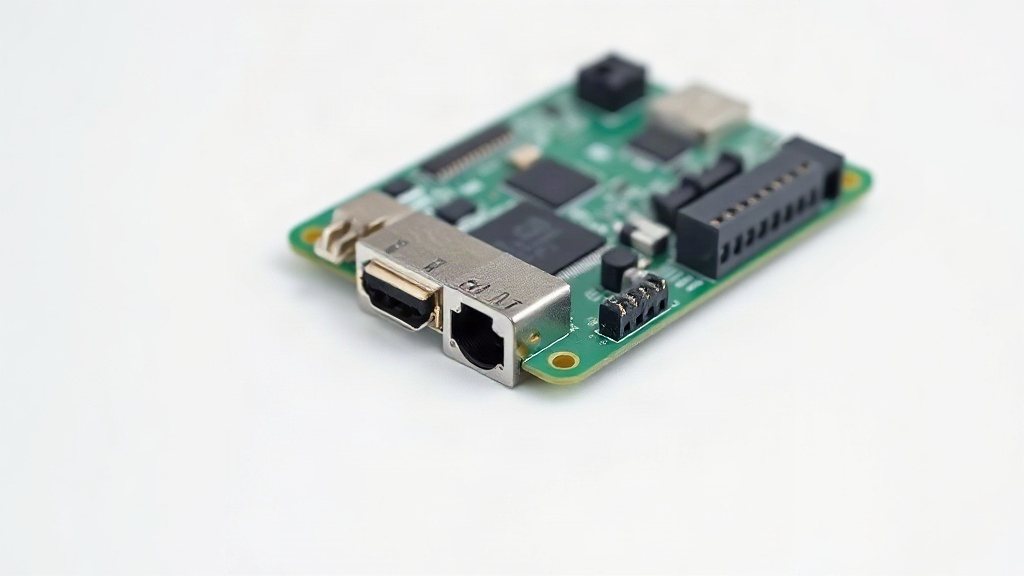
When choosing between SBUS, iBUS, and PPM, several factors should be considered:
- Channel Count: PPM typically offers 8-12 channels. SBUS supports up to 18, and iBUS up to 14. For complex aircraft with many servos or control functions, SBUS or iBUS are essential.
- Latency: PPM generally has the highest latency due to its sequential nature. SBUS and iBUS are designed for lower latency, with iBUS often having a slight edge in some implementations. Low latency is crucial for responsive flight control, especially in dynamic maneuvers.
- Wiring Complexity: All three protocols simplify wiring by using a single signal wire from the receiver to the flight controller, a significant improvement over older, multi-wire per-channel systems.
- Error Handling: SBUS and iBUS incorporate more sophisticated error detection and correction mechanisms compared to PPM, leading to more reliable signal transmission.
- Telemetry: SBUS has built-in support for bidirectional communication, enabling telemetry data to be sent back to the transmitter. iBUS also offers telemetry capabilities, though its implementation can vary. PPM typically does not support telemetry.
- Compatibility: Ensure your chosen flight controller and RC receiver both support the same protocol. The FC-1 Flight Controller is designed with flexibility in mind, supporting various serial RC inputs.
Integration and System Design
The choice of RC receiver protocol directly influences the avionics architecture. Protocols like SBUS and iBUS, with their higher channel counts and lower latencies, are well-suited for advanced UAVs requiring precise control of multiple actuators, such as those used in aerial surveying or advanced research platforms. The Flight Control Electronics capability at Rox Aero involves designing such systems, ensuring seamless integration of components like flight controllers with RC receivers. For manufacturers producing Carbon Fiber Aerospace Components, selecting the right avionics is part of a holistic system design that prioritizes performance, reliability, and ease of integration. Understanding these protocol nuances helps in specifying components that meet the demanding requirements of modern aerospace applications.
Planning a batch? Request a wholesale quotation from Rox Aero with your drawings and quantities, and an engineer will reply with pricing and lead time.
Frequently asked questions
What is the main difference between SBUS, iBUS, and PPM?
The main differences lie in channel count, latency, and error handling. PPM is older, offers fewer channels, and has higher latency. SBUS and iBUS are modern serial protocols supporting more channels with lower latency and better error checking.
Which protocol is best for high-performance UAVs?
For high-performance UAVs requiring responsive control and a high number of channels, SBUS or iBUS are generally preferred over PPM due to their lower latency and greater channel capacity.
Can I use any RC receiver with any flight controller?
No, the RC receiver protocol must be supported by both the RC receiver and the flight controller. Always check the specifications of both components to ensure compatibility, especially for serial protocols like SBUS and iBUS.
Does PPM support telemetry?
Typically, no. PPM is a unidirectional protocol primarily for control signals. SBUS and iBUS, on the other hand, often include support for bidirectional communication, enabling telemetry data to be sent back to the transmitter.