6 min read
Carbon Fiber Plate Thickness for Drone Frames
Select the optimal carbon fiber plate thickness for UAV arms and frame plates. Ensure structural integrity and performance for your aircraft.
By the Rox Aero team
Determining Carbon Fiber Plate Thickness for UAV Structures
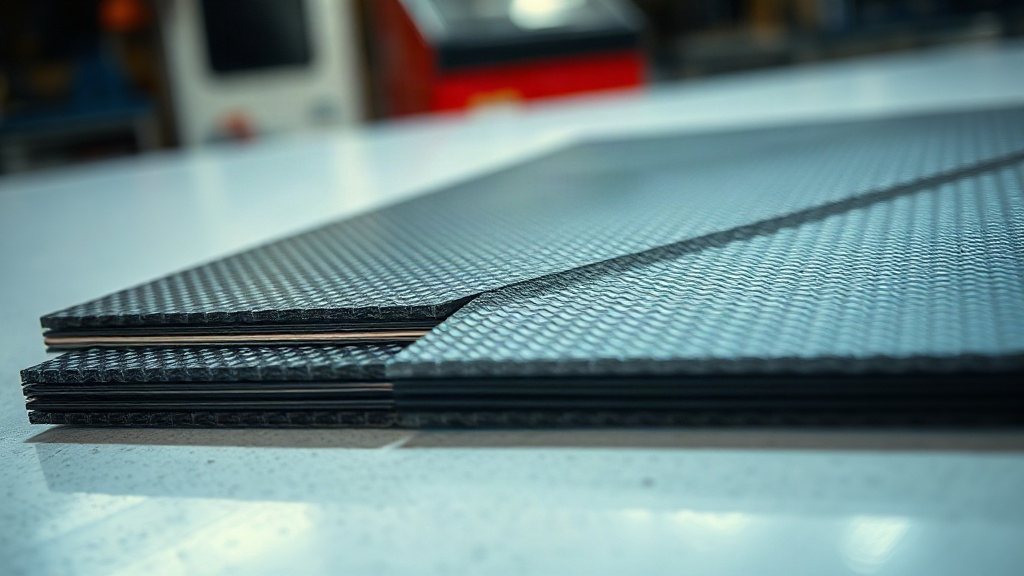
Selecting the correct carbon fiber plate thickness for multirotor arms and airframe components is critical for balancing structural integrity, weight, and performance. The required thickness depends on several factors, including the expected loads, the specific application of the UAV, and the desired safety margins. For wholesale and OEM supply, manufacturers like Rox Aero produce these parts to precise customer drawings, ensuring each component meets specific design requirements. This detailed approach is essential for applications ranging from small unmanned aerial vehicles (UAVs) to larger unmanned combat aerial vehicles (UCAVs) and rotorcraft.
Factors Influencing Composite Plate Thickness
The primary drivers for determining carbon fiber plate thickness are the anticipated stresses and strains the component will experience during operation. This includes static loads (e.g., weight of components), dynamic loads (e.g., vibration, flight maneuvers), and potential impact loads. For multirotor arms, the thickness must be sufficient to withstand the bending moments generated by the propulsion system's thrust and the torque from the motors, especially during aggressive flight or in turbulent conditions. Frame plates, which form the central structure of the UAV, must provide rigidity and support for all onboard systems, including flight controllers, batteries, and payloads.

Key considerations include:
- Load Analysis: Quantifying the maximum expected forces and moments acting on the component. This often involves Finite Element Analysis (FEA) or empirical testing.
- Material Properties: Understanding the tensile strength, flexural strength, and stiffness (Young's Modulus) of the specific carbon fiber prepreg and resin system used. Different fiber orientations and layups will yield different properties.
- Safety Factor: Applying a safety factor to account for uncertainties in load calculations, material variations, and potential fatigue. Typical safety factors can range from 1.5 to 3 or higher, depending on the criticality of the component and regulatory requirements.
- Weight Constraints: Balancing the need for strength with the imperative to minimize aircraft weight, as excess weight directly impacts flight time, payload capacity, and maneuverability.
- Manufacturing Constraints: Considering the capabilities of the composite manufacturing process. Extremely thick or complex layups can present challenges in achieving proper consolidation and avoiding voids.
Structural Design for Drone Frame Plates and Arms
When designing drone frame plate and arm structures, engineers often start with a baseline thickness and iteratively refine it based on analysis and simulation. For example, a typical multirotor arm might range from 2mm to 8mm thick, depending on the size and intended use of the UAV. Smaller, lighter drones might use thinner arms (e.g., 2-3mm), while larger, heavy-lift drones will require thicker, more robust arms (e.g., 5-8mm or more) to handle increased motor thrust and vibration. Frame plates, especially those supporting heavy batteries or payloads, may also require thicknesses in a similar range, often with additional reinforcement in high-stress areas.
The Carbon Fiber Aerospace Components offered by Rox Aero are manufactured to drawing, allowing customers to specify the exact thickness and layup required for their unique airframe designs. This ensures that each part is optimized for its intended function. For complex structural analysis, Rox Aero also offers Aerodynamic Simulation services, which can inform structural load calculations.
Material Selection and Layup Optimization
The type of carbon fiber fabric and the resin system play a significant role in determining the required thickness. High-modulus or high-strength carbon fibers can allow for thinner structures to achieve the same strength as lower-grade materials. The layup – the arrangement and orientation of the fiber layers – is equally important. A common layup for structural components is a quasi-isotropic layup, where layers are oriented at 0°, 90°, +45°, and -45° to provide balanced properties in multiple directions. However, for specific applications like arms, a more orthotropic layup emphasizing fiber alignment along the primary load paths might be used to maximize stiffness and strength in that direction.
The manufacturing process itself is crucial for achieving the desired material properties and thickness control. Rox Aero's Carbon Fiber Manufacturing capability ensures precise control over these parameters for volume production. This capability is essential for customers requiring consistent, high-quality parts for their OEM applications.
Thickness Calculation Example for a Multirotor Arm
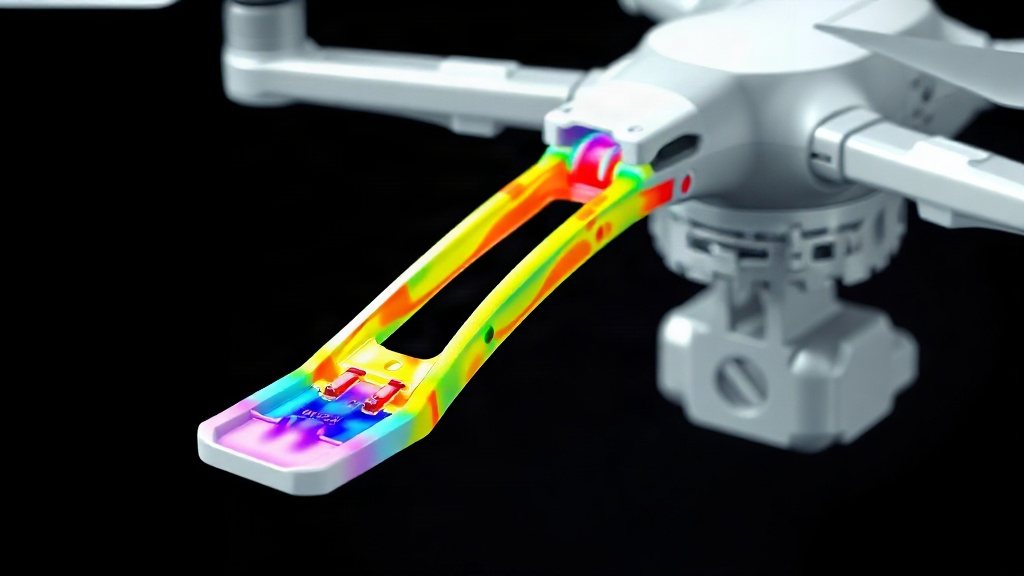
Consider a medium-sized UAV with a total weight of 10kg, where each of the four arms supports a portion of this weight plus motor thrust. If the motor thrust is estimated to be 300N per arm during maximum ascent, and the arm experiences bending due to its own weight and aerodynamic forces, a detailed stress analysis would be performed. Using material properties for a standard T700 carbon fiber prepreg, an engineer might initially propose a 4mm thick arm. Through FEA, they would simulate the bending stresses and deflections under load. If the calculated stress exceeds the material's allowable stress or the deflection is too large, the thickness would be increased. Conversely, if the analysis shows significant over-engineering, the thickness could be reduced to save weight. This iterative process, guided by simulation and analysis, leads to the optimal thickness specification.
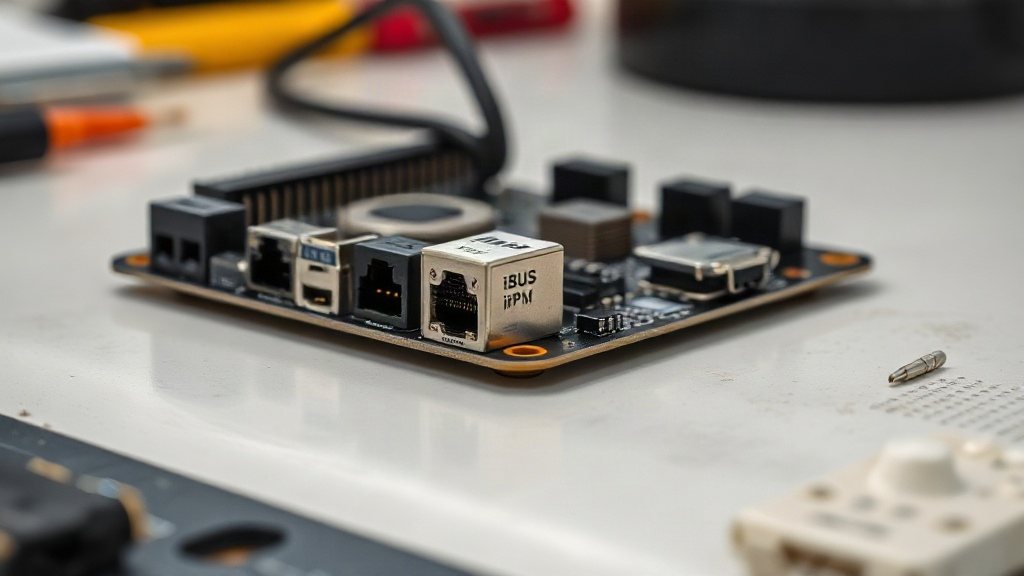
The FC-1 Flight Controller and other avionics systems are typically mounted to frame plates, requiring careful consideration of vibration damping and structural rigidity. Rox Aero’s expertise spans both structural components and flight control electronics, enabling integrated design solutions.
Component Integration and System Performance
The thickness of carbon fiber plates directly impacts the overall performance of the UAV. Thicker plates generally offer greater stiffness and strength, which can reduce flutter and vibration, leading to more stable flight and improved sensor readings. However, this often comes at the cost of increased weight. For fixed-wing UAVs, the thickness of wing spars and fuselage bulkheads is optimized to withstand aerodynamic loads and provide structural integrity during flight. For rocket airframes, the thickness of the body tubes and interstage structures must handle significant acceleration and aerodynamic pressure.
Rox Aero's wholesale and OEM supply model focuses on delivering precisely engineered carbon fiber aerospace components that meet the stringent requirements of aerospace manufacturers. By understanding the interplay between material properties, structural loads, and desired performance outcomes, Rox Aero ensures that its manufactured parts contribute to the reliability and effectiveness of the final aircraft. This holistic approach is supported by capabilities such as Embedded Firmware & Control, ensuring that the entire system, from structure to flight control, functions cohesively.
Planning a batch? Request a wholesale quotation from Rox Aero with your drawings and quantities, and an engineer will reply with pricing and lead time.
Frequently asked questions
What is the typical carbon fiber plate thickness for drone arms?
Typical thicknesses for multirotor arms range from 2mm to 8mm. The exact requirement depends heavily on the drone's size, payload, and expected flight conditions.
How does carbon fiber plate thickness affect drone performance?
Thicker plates increase structural rigidity and strength, reducing vibration and improving stability. However, they also add weight, which can decrease flight time and payload capacity.
Can I specify custom carbon fiber plate thickness for my UAV?
Yes, custom thicknesses and layups can be specified. Manufacturers like Rox Aero produce carbon fiber aerospace components precisely to customer drawings for wholesale and OEM applications.
What factors determine the necessary carbon fiber thickness for frame plates?
Frame plate thickness is determined by the loads from mounted components (motors, batteries, avionics), overall airframe rigidity requirements, and desired safety margins to prevent structural failure.